Kayak weight and kayak capacity answer different questions. Weight affects how you handle and transport the craft. Capacity concerns the load it is designed to carry. Compare both, using figures for the exact model and configuration you are considering.
Compare PORTL fishing kayak weights and capacities
Hull weights exclude accessories; a fully rigged setup also includes your seating, drives and other equipment.
| Model | Section weights: front / middle / rear | Heaviest section | Calculated hull total | Rated load: people + equipment |
|---|---|---|---|---|
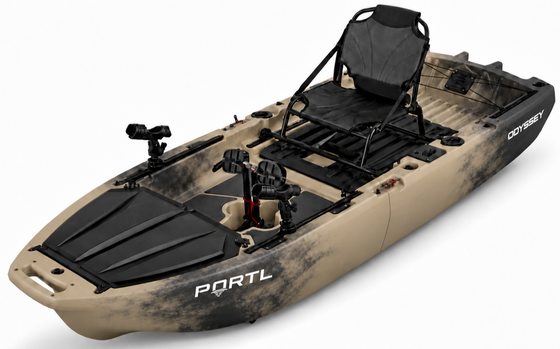
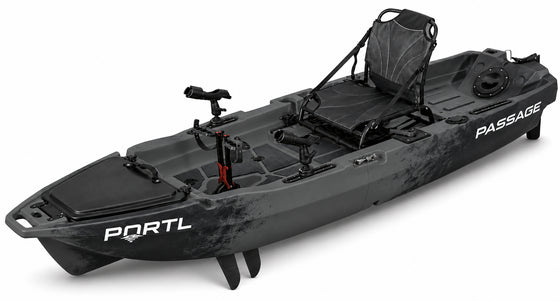
| Passage Solo | 48.5 + 47.2 lb | 48.5 lb | 95.7 lb | 309 lb |
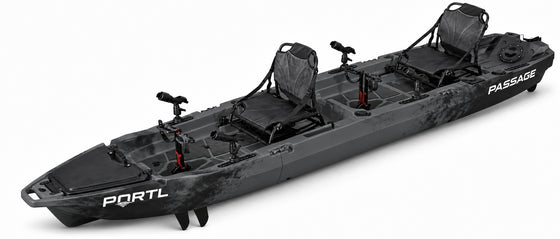
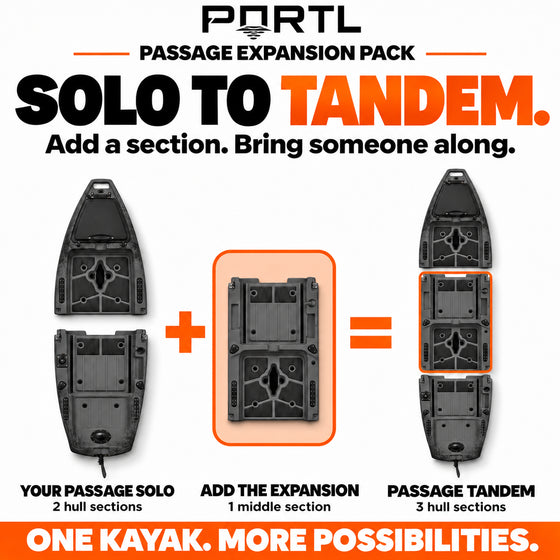
| Passage Tandem | 48.5 + 50.7 + 47.2 lb | 50.7 lb | 146.4 lb | 661 lb |
| Odyssey Solo | 51.8 + 59.5 lb | 59.5 lb | 111.3 lb | 617 lb |
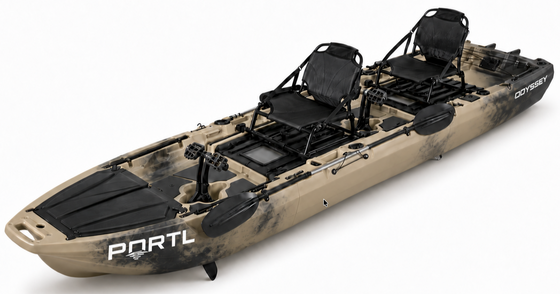
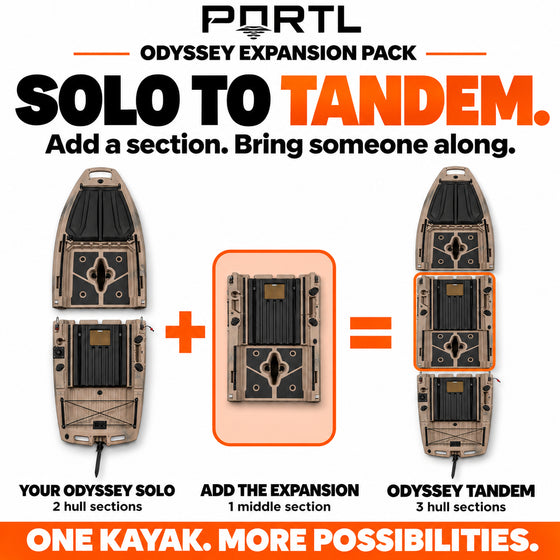
| Odyssey Tandem | 51.8 + 63.9 + 59.5 lb | 63.9 lb | 175.3 lb | 882 lb |
Solo rows contain front and rear weights only. Tandem rows contain front, middle and rear weights. The totals are the sum of those hull sections. PORTL's rated load includes people and equipment; it is separate from the calculated hull weight. Do not subtract the hull total from the rated load.
Once you have checked your load and lifting requirements, compare PORTL modular kayak packages for current prices, seating and pedal-drive options.
Which figure matters when carrying the kayak?
For Passage Solo, the hull totals 95.7 lb, but separating it gives a 48.5 lb front and a 47.2 lb rear. For Odyssey Tandem, the hull totals 175.3 lb across three sections, with the 63.9 lb middle section as the heaviest lift. Removable equipment adds separate items to carry. See the section dimensions and transport guide to compare the size of each lift.
Which figure matters when planning your load?
Use the rated load for the exact seating configuration: Passage Solo 309 lb, Passage Tandem 661 lb, Odyssey Solo 617 lb and Odyssey Tandem 882 lb. Count everyone and all equipment carried, including seats, drives, tackle, water, catch, ice and any motor or battery.
For example, two people weighing 185 lb and 165 lb plus 90 lb of equipment make a 440 lb load. This is 221 lb below Passage Tandem's listed 661 lb rating and 442 lb below Odyssey Tandem's 882 lb rating. That arithmetic compares load only; it does not establish suitable conditions, balance or handling. Make sure the equipment allowance covers every item you will actually carry.
Understand the four weight and capacity figures
- Bare hull weight: the hull without removable equipment. Check what the published figure excludes.
- Heaviest section weight: the largest individual lift when a modular kayak is separated. An average section weight does not tell you this.
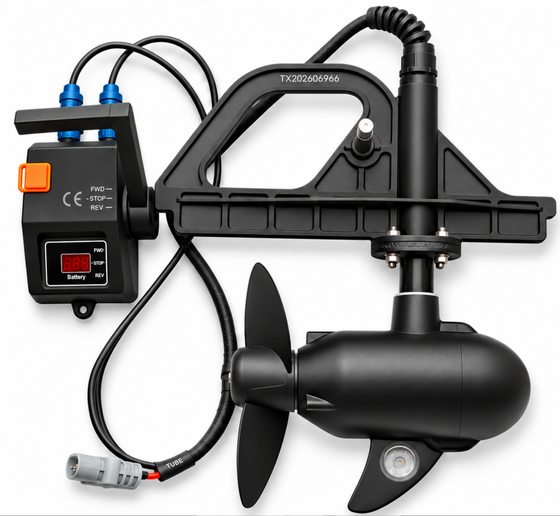
- Fully rigged weight: the hull with the seats, drives, motor, battery and other equipment you actually move together.
- Maximum load capacity: the manufacturer's stated load limit, with its definition of what counts toward that limit.
When comparing another manufacturer's kayak, check how it defines capacity so you compare the same load basis.
Compare rated loads in pounds
For a two-person fishing kayak, count both anglers and all the equipment on board. Passage Tandem is rated for 661 lb and Odyssey Tandem for 882 lb. Compare those figures with your complete load.
Make a complete load list
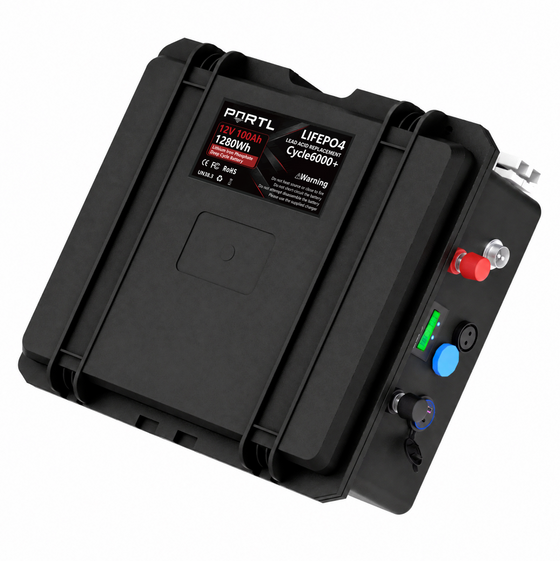
Record the weight of every person, then add the items you will take: seats and drives if counted as payload, fishing tackle, rods, food, drinking water, clothing, safety equipment and any retained catch. Include a motor, battery, battery box and mounting equipment for a powered setup. Use measured weights where practical.
For illustration, a 187.4 lb person carrying 44.1 lb of equipment represents 231.5 lb of listed load before any uncounted components. That arithmetic is not a recommendation for a particular kayak: compare the complete list against the manufacturer's definition and guidance.
A load limit is not a handling recommendation
A maximum capacity figure does not establish suitability for every waterway, condition or load arrangement. How equipment is distributed also matters. Ask for model-specific advice on seating, loading and intended use. For two people, read the Tandem fishing kayak guide and confirm the arrangement if you also intend to use it alone.
Compare the lift you will actually perform
Modular construction separates the hull into smaller pieces, but the heaviest piece still needs to be manageable. Consider the lifting height, grip points, distance from parking to the water and whether someone will help. Seats, drives and accessories may need separate trips. Do not assume that a kayak fitting inside your car means you can comfortably load it yourself.
Measure your vehicle opening and the loading route, including turns past seats and interior trim. Use the US vehicle measuring guide as dimensional guidance and confirm actual section dimensions. See our transport and storage guide for the rest of the journey.
Compare Passage and Odyssey on the same basis
Start with the Passage versus Odyssey comparison, then check the current product specifications. Compare the same seating layout and equipment, rather than one bare hull against another fully equipped craft. For a Solo-to-Tandem conversion, use specifications for the expanded configuration.
What to send us before ordering
Contact PORTL with the model, number of people, estimated equipment load, vehicle measurements and your handling requirements. Use the listed weights and dimensions to explain your load and transport plan, and ask about any configuration-specific details. Resolving those details before ordering is more useful than choosing on one headline number.